How To Space Your Raised Beds For Maximum Yield
Raised beds are a great way to improve your garden's productivity. They provide better drainage and aeration, which allows your plants to grow more roots and produce more food. But if you don't space your raised beds correctly, you could end up wasting space and reducing your yield.
In this blog post, I'll share some tips on how to space your raised beds for maximum yield. I'll cover everything from the width and length of your beds to the spacing between them. So whether you're a beginner or a seasoned gardener, you'll find some helpful information here.
The width of your raised beds
The width of your raised beds will depend on a few factors, including the size of your space, the type of plants you'll be growing, and your own personal preference. In general, raised beds should be at least 3 feet wide, but they can be wider if you have the space.
If you're growing tall plants, such as tomatoes or corn, you'll need to space your beds wider so that the plants have enough room to grow. You'll also need to space your beds wider if you're planning on using a wheelbarrow or other garden tools.
If you're limited on space, you can create narrower raised beds. However, you'll need to be more careful about spacing your plants so that they don't crowd each other.
The length of your raised beds
The length of your raised beds is less important than the width. However, you'll want to make sure that the beds are long enough to accommodate the plants you want to grow.
If you're growing long-season crops, such as tomatoes or peppers, you'll need to make sure your beds are long enough so that the plants have enough room to mature.
The spacing between your raised beds
The spacing between your raised beds will depend on the width of your beds and the type of plants you're growing. In general, you'll need to leave at least 12 inches of space between your beds.
If you're growing tall plants, you'll need to space your beds even further apart so that the plants have enough room to spread out. You'll also need to space your beds further apart if you're planning on using a wheelbarrow or other garden tools.
Here are some additional tips for spacing your raised beds:
- Consider the mature size of your plants. Some plants, such as tomatoes, will grow quite large, so you'll need to space your beds accordingly.
- Plan for future growth. If you're planning on adding more plants to your garden in the future, make sure you leave enough space between your beds.
- Use a grid or measuring tape to help you space your beds evenly.
- Be flexible. If you make a mistake, don't worry about it. You can always adjust the spacing of your beds later on.
Conclusion
Spacing your raised beds correctly is important for maximizing your yield. By following the tips in this blog post, you can ensure that your plants have enough room to grow and thrive.
So what are you waiting for? Get started planning your raised bed garden today!
Are you planning to build a raised bed garden? If so, you need to know about raised bed spacing. The right spacing will help your plants grow healthy and productive.
There are a few factors to consider when determining raised bed spacing. The size of your plants, the type of plants you're growing, and the amount of sunlight your garden receives will all play a role.
For general guidance, here are some recommended raised bed spacings:
- Vegetables: 18-36 inches apart
- Herbs: 6-12 inches apart
- Flowers: 12-18 inches apart
Of course, these are just general guidelines. The best way to determine the right spacing for your raised bed garden is to consult with a gardening expert or do some research online.
FAQ of raised bed spacing
- How far apart should raised beds be?
The distance between raised beds should be at least 3 feet wide (4 feet is even better). This will give you enough room to access your plants and walk between the beds. If you need to use a wheelbarrow or other gardening tools, you'll need even more space.
- How far apart should plants be in a raised bed?
The spacing requirements for different plants will vary depending on the type of plant and its mature size. Some general guidelines include:
* Root crops: These plants need plenty of space to spread their roots, so space them at least 6 inches apart. Examples of root crops include carrots, potatoes, and radishes.
* Leafy greens: These plants can be spaced more closely together, about 4-6 inches apart. Examples of leafy greens include lettuce, spinach, and kale.
* Brassicas: These plants need more space than leafy greens, about 12-18 inches apart. Examples of brassicas include broccoli, cabbage, and cauliflower.
* Squash and melons: These plants need a lot of space, so space them at least 24-36 inches apart. Examples of squash and melons include zucchini, pumpkins, and watermelons.
- Can I plant different types of plants in the same raised bed?
Yes, you can plant different types of plants in the same raised bed. However, it's important to consider the mature size of the plants and their water and nutrient requirements when making your planting decisions. For example, you wouldn't want to plant a thirsty plant like tomatoes next to a drought-tolerant plant like beans.
- When is the best time to plant in raised beds?
The best time to plant in raised beds depends on your climate. In general, you should wait until the soil has warmed up in the spring and the danger of frost has passed. If you live in a cold climate, you may need to wait until early summer to plant.
- How do I maintain raised bed spacing?
As your plants grow, you may need to adjust the spacing between them. This is especially important for plants that spread out, such as tomatoes and squash. You can also use garden edging to help keep plants in their designated spaces.
- What are some benefits of raised bed spacing?
There are several benefits to spacing plants properly in raised beds. First, it allows each plant to have enough room to grow and thrive. Second, it helps to prevent diseases and pests by reducing overcrowding. Third, it makes it easier to reach and care for your plants. Finally, it can improve the appearance of your garden.
Image of raised bed spacing
10 different images of raised bed spacing that are free to use:
- Square-foot gardening is a popular method of raised bed gardening that uses 4x4 foot beds. The spacing between beds is typically 3-4 feet, which allows enough room for walking and maneuvering between beds.

- A long, narrow raised bed can be spaced 2-3 feet from other beds, depending on the width of the bed. This allows enough room for walking and weeding, as well as access to the plants at the center of the bed.

- A raised bed with a walkway can be spaced 2-3 feet from the walkway, which allows enough room for walking and wheelbarrow access. The walkway can be made of wood, gravel, or another material.

- A raised bed garden can be surrounded by a path, which helps to define the space and prevent weeds from encroaching on the beds. The path should be at least 12 inches wide, but wider is better if you need room to walk, wheelbarrow, or garden cart.

- A raised bed garden can be integrated into a larger landscape, such as a backyard or patio. The spacing between beds should be determined by the overall size of the garden and the desired walkway width.

- A raised bed garden can be placed along a fence or wall, which can help to define the space and provide support for vining plants. The spacing between beds should be at least 3 feet, but wider is better if you need room to walk or wheelbarrow.
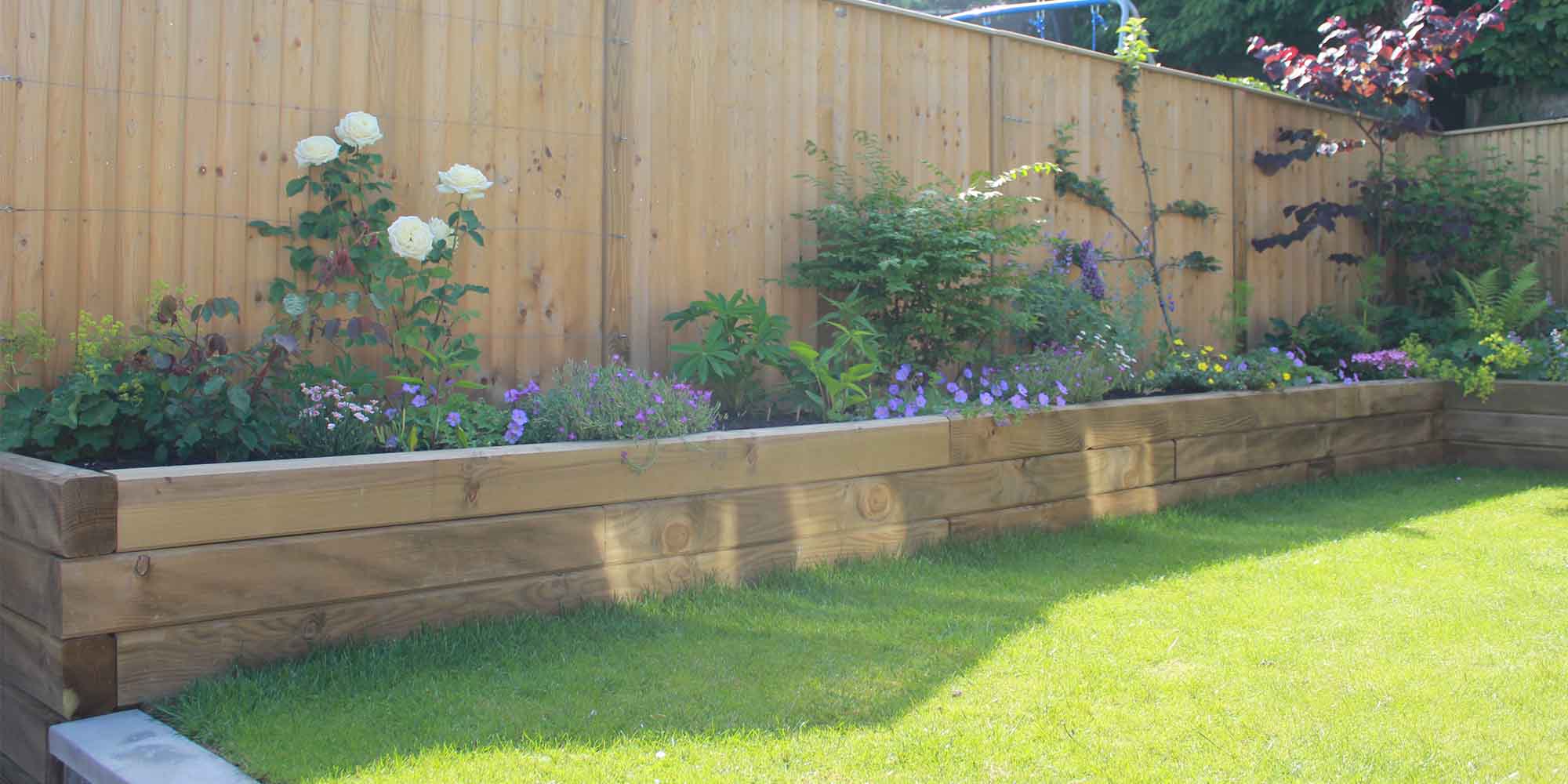
- A raised bed garden can be placed in a corner of the yard, which can help to maximize space and create a focal point. The spacing between beds should be at least 3 feet, but wider is better if you need room to walk or wheelbarrow.
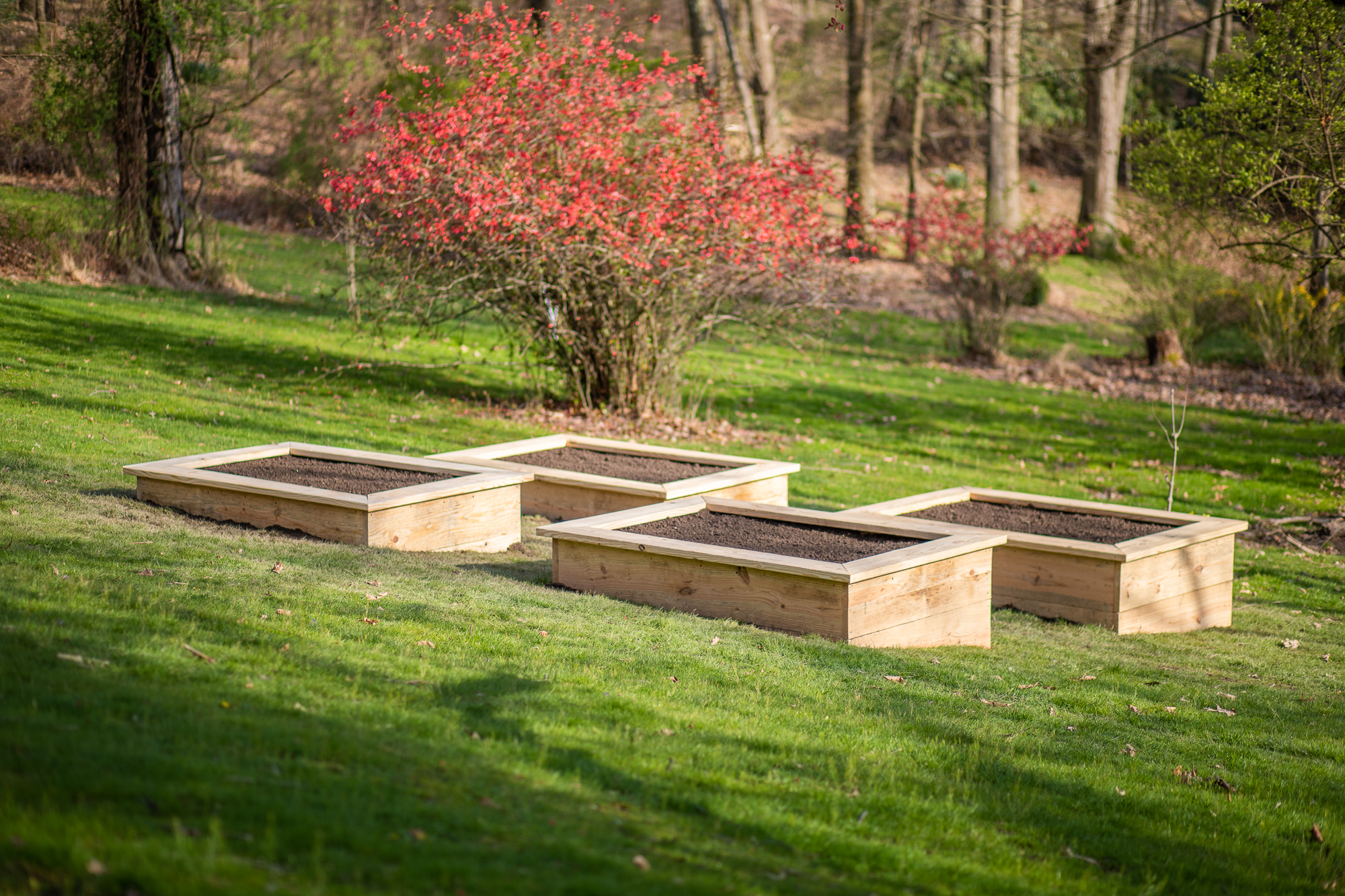
- A raised bed garden can be placed on a slope, which can help to improve drainage and prevent erosion. The beds should be level and spaced evenly, with a minimum of 3 feet of space between them.
- A raised bed garden can be placed on a deck or patio, which can extend the growing season and provide a more accessible gardening space. The beds should be level and spaced evenly, with a minimum of 12 inches of space between them.
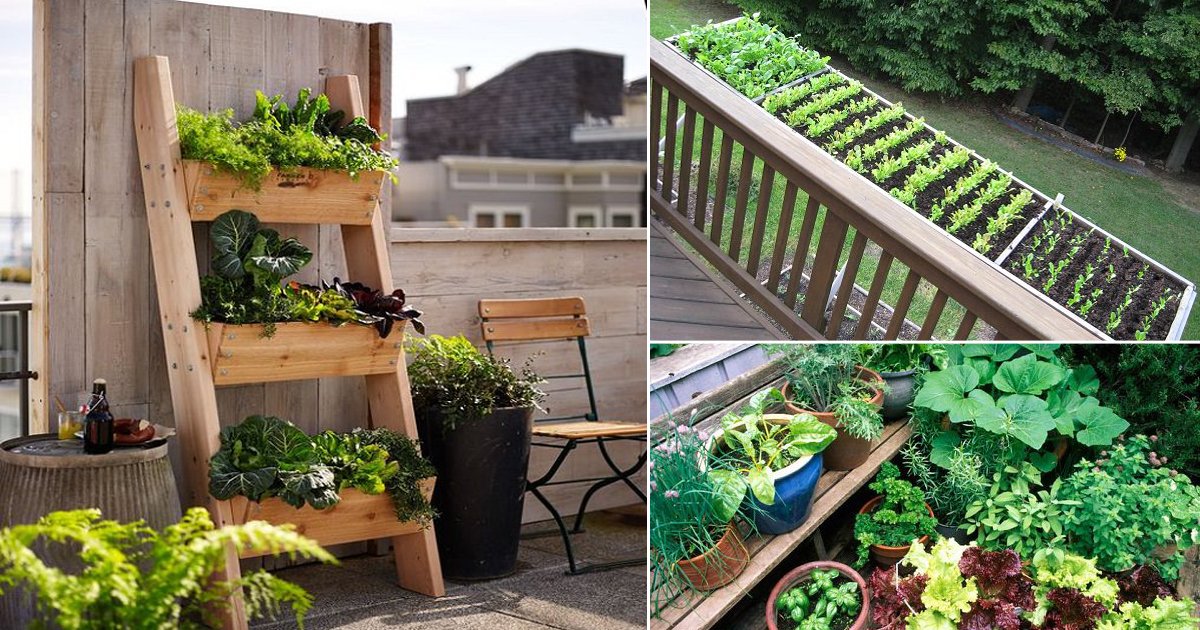
- A raised bed garden can be placed on a roof, which can provide a unique and productive gardening space. The beds should be lightweight and well-drained, and the spacing between them should be determined by the size of the roof and the desired walkway width.


Post a Comment for "How To Space Your Raised Beds For Maximum Yield"